

 Request Service
 Review Us on Google

Choosing the right HVAC system is a critical decision for homeowners in Texas, where the climate brings long, hot summers and surprisingly mild winters. As you consider replacing or upgrading your current system, understanding the key differences between heat pumps and traditional AC plus furnace configurations is essential. Let’s explore how each system works, the benefits of heat pumps in the Houston area, and which solution may be best for your home.
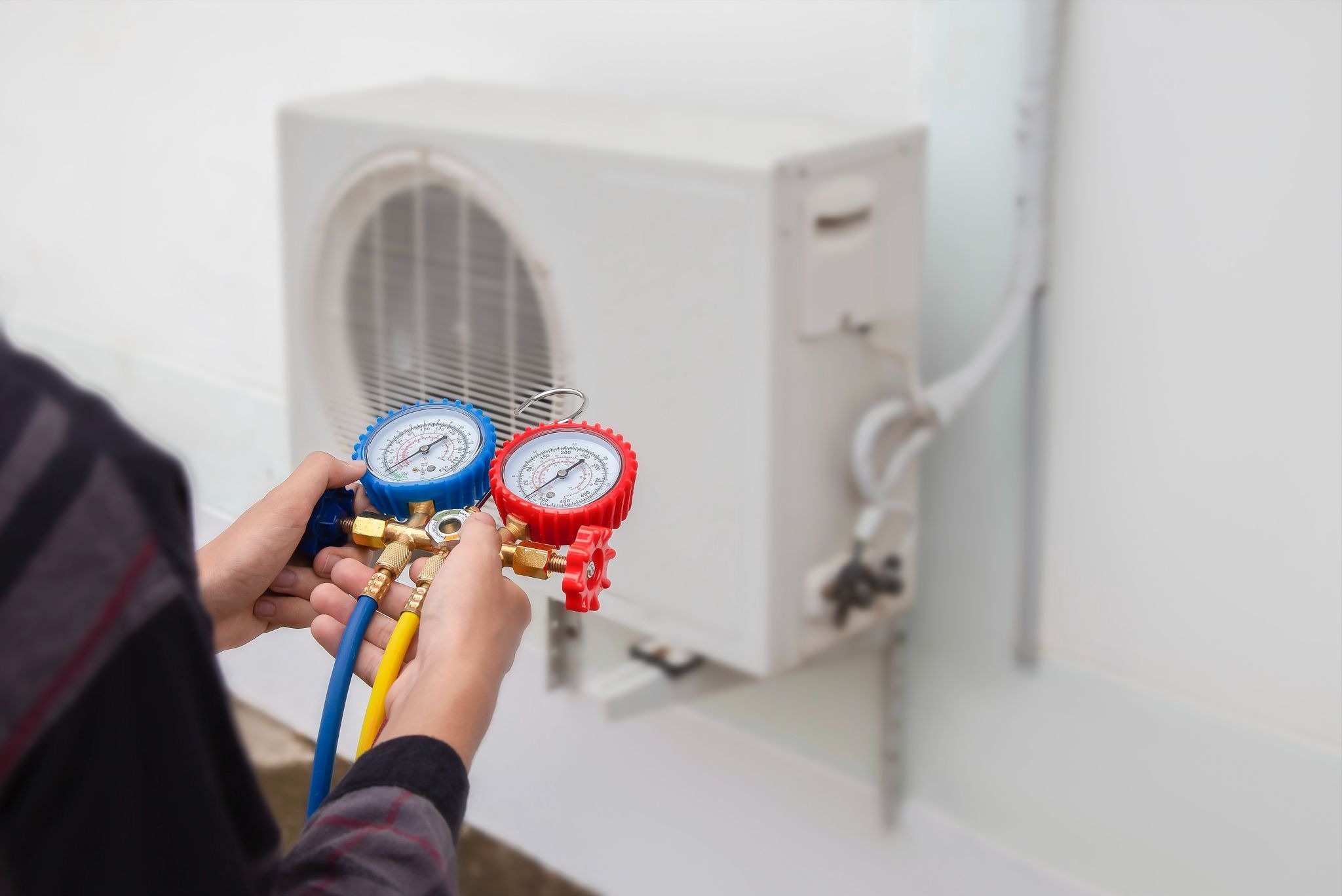
Understanding How Heat Pumps Work
A heat pump is an all-in-one heating and cooling system that transfers heat rather than generating it through combustion. During warm months, it extracts heat from inside your home and moves it outdoors, just like a traditional air conditioner. In colder weather, the system reverses, pulling warmth from the outdoor air even at low temperatures and pushing it indoors. Thanks to advanced technology, heat pumps can efficiently provide warmth even during Texas’s infrequent cold snaps.
Traditional AC and Furnace Systems: The Classic Split Solution
In many Texas homes, especially older constructions, the HVAC setup includes a dedicated air conditioner paired with a gas or electric furnace. This combination delivers strong cooling performance during summer and robust heating during the few chilly months. The two components operate independently:
-
The air conditioner cools indoor air by removing heat and humidity, crucial during peak Texas summer days.
-
The furnace provides heat via combustion or electrical resistance, cycling on only when temperatures dip.
Routine HVAC maintenance is recommended to keep both units running efficiently and to maximize comfort throughout the year.
Heat Pumps in Mild Texas Climates: Why They’re Gaining Popularity
Houston and the surrounding region experience long stretches of warm, humid conditions and only brief periods of winter cold. This makes heat pumps a compelling alternative to the traditional split system. Here’s why:
-
Energy Efficiency: Heat pumps use electricity to move heat rather than generate it, resulting in lower energy consumption, especially during seasons when you need moderate heating.
-
Versatility: With one compact unit, you get both efficient cooling and sufficient heating for typical Texas winters.
-
Cost Savings: Because you’re not relying on a separate furnace running on gas or electric resistance, monthly utility bills may decrease.
-
Fewer Components, Less Maintenance: Owning a single system reduces the number of major appliances to service, which may extend overall system life with routine professional AC repair.
When is a Heat Pump the Right Choice for Your Texas Home?
Heat pumps excel in areas where winter temperatures rarely fall below freezing for extended periods. In Stafford, Houston, and much of Southeast Texas, homeowners benefit from:
-
Warm, humid summers where heat pumps offer cooling performance on par with top air conditioners.
-
Mild winters with only occasional need for robust heating, ideal conditions for heat pump efficiency.
-
New home builds or major remodels where energy codes and available incentives often favor heat pump installation.
However, if your home is already equipped with natural gas and experiences power outages during rare arctic blasts, a traditional furnace may offer more reliable backup heating during extreme events. Consulting a local indoor air quality specialist is recommended to assess your home’s specific needs before making the switch.
Ready to Upgrade Your HVAC? Contact Conditioned Air Mechanical, LLC Today
If you’re considering a new heat pump or looking to compare options for your home comfort system, Conditioned Air Mechanical, LLC in Stafford, TX is ready to help. Our team provides tailored advice based on your home’s layout and Houston’s unique climate. Call (281) 201-0356 or fill out our online form to schedule a free in-home assessment. Discover efficient, reliable HVAC solutions customized for Texas living.